- Empty cart.
- Continue Shopping

The Ultimate Compact Standing Desk Guide for Studios and Dorm Rooms
- Posted on
polar_meter_73@icloud.com
- 0
- Categories: Guide
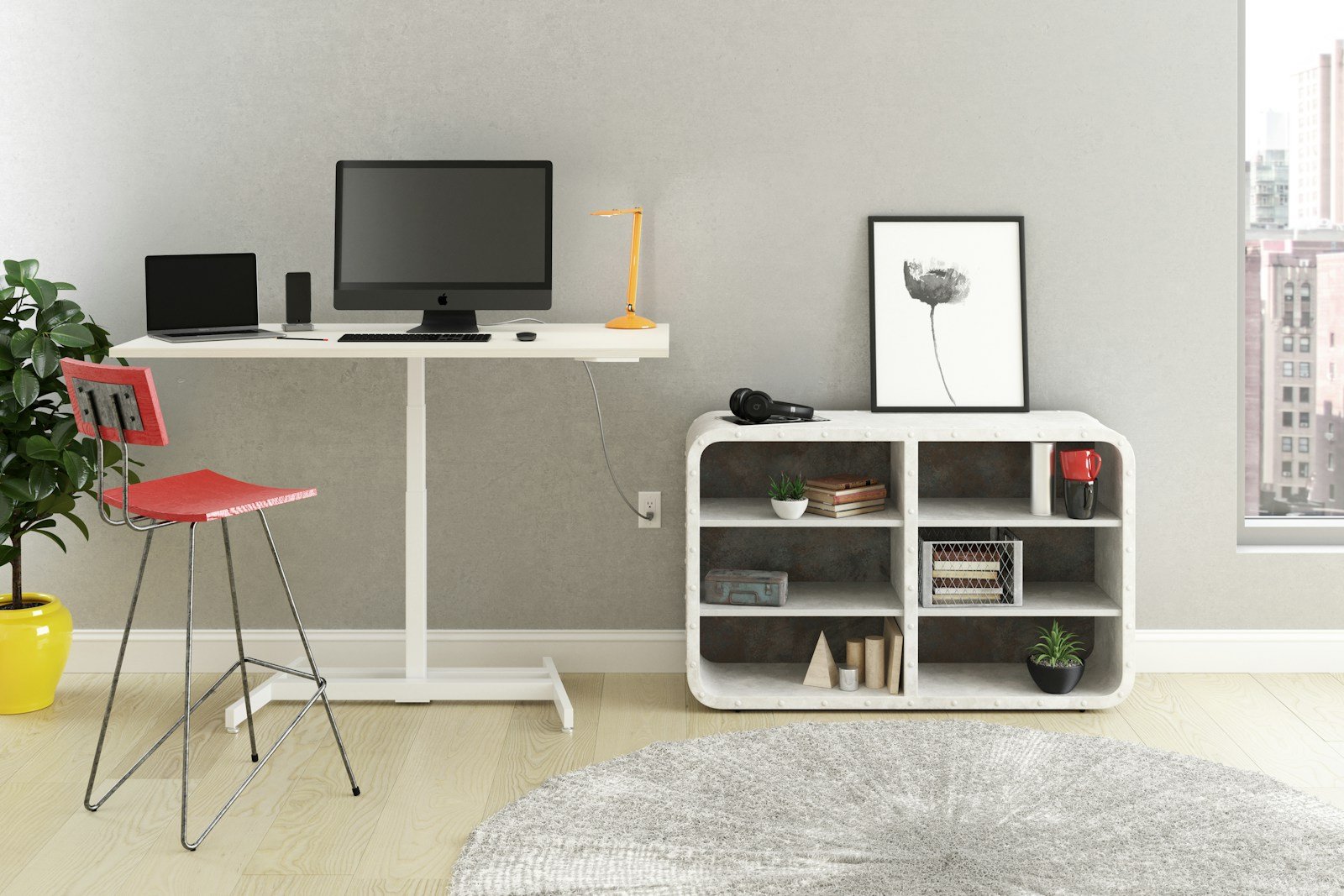
Living in a studio or dorm room doesn’t mean you have to settle for uncomfortable, cramped workspaces. Whether you’re a student, remote worker, or digital creative, having a functional setup is essential to staying productive and comfortable. The trick? Finding the right compact standing desk that fits tight spaces without compromising function or style.
Welcome to The Ultimate Compact Standing Desk Guide for Studios and Dorm Rooms—your go-to resource for choosing, setting up, and optimizing a standing desk in even the smallest living spaces.
Why Standing Desks Are a Game-Changer (Even in Small Spaces)
You’ve probably heard about the health and productivity benefits of standing desks. But if you live in a studio apartment or dorm room, you might be wondering if it’s even possible to fit one in. The answer? Absolutely.
Here’s why standing desks are a smart upgrade for tight living quarters:
- Better posture: Say goodbye to slouching over your laptop on a low coffee table or bed.
- Improved focus: Standing improves circulation, helping you stay alert and energized.
- Multi-functionality: A compact standing desk can double as a vanity, study station, or even a dining surface.
- More active workday: Alternating between sitting and standing keeps your body moving—even in a small room.
If you’re working or studying from home in a limited space, a standing desk might be the most important investment you can make for your comfort, health, and productivity.
What to Look for in a Compact Standing Desk
Choosing the right standing desk for a small room is all about balance—you want enough surface area to be productive without overwhelming your space. Here’s what to prioritize:
1. Footprint
Measure your available floor space first. Most compact desks fall within the 24–36 inch width range, which fits well in tight corners, by windows, or against a wall.
Ideal dimensions:
- Width: 24–36 inches
- Depth: 18–24 inches
- Height: Adjustable between 28–45 inches
2. Adjustability
Height adjustability is key. Look for desks that can easily shift from sitting to standing—either via manual crank, pneumatic lift, or electric motor.
Manual options are typically more affordable and lighter, while electric ones offer ease of use (though they may require more space and power).
3. Portability
If you’re in a dorm or frequently move furniture around, consider a lightweight desk with locking wheels or foldable legs for easy repositioning.
4. Storage Options
Some compact desks come with built-in storage like slim drawers or shelves. While not essential, these can help reduce desktop clutter in small spaces.
5. Build Quality
Look for sturdy materials—steel frames and engineered wood surfaces offer a good mix of durability and weight. Avoid flimsy plastic if you plan to use the desk daily.
Best Compact Standing Desk Types for Small Rooms
There are different styles of standing desks, each with pros and cons depending on your specific setup.
1. Portable Laptop Standing Desks
Perfect for minimalist setups, these compact desks are usually under 30 inches wide and designed to support a laptop or small monitor. Great for flexible work zones in your studio or dorm.
Best for:
- Laptop users
- Students
- Budget-friendly options
2. Wall-Mounted Standing Desks
These desks fold down from the wall when in use and tuck away when not needed. Ideal if you’re really tight on space, though they may require landlord approval in dorms or rentals.
Best for:
- Ultra-small rooms
- Fixed workstations
- Creative uses (e.g., writing nook, vertical makeup station)
3. Sit-Stand Desk Converters
Already have a desk or table you love? Place a converter on top to give it standing functionality. These are compact, portable, and easy to use.
Best for:
- Shared spaces
- Temporary workstations
- Budget-friendly upgrades
4. Electric Compact Standing Desks
If you want ease of adjustment with the push of a button, electric desks are the way to go. Some models are small enough for studios and dorms, though you’ll want to ensure you have enough clearance for the motor and cords.
Best for:
- Daily long-hour use
- Ergonomic enthusiasts
- Remote workers
How to Set Up Your Standing Desk in a Small Room
A compact standing desk doesn’t work on its own—you need to pair it with smart accessories and good ergonomics to get the full benefit. Here’s a simple setup guide:
Step 1: Find the Right Location
Use an underutilized corner, the foot of your bed, or a section near a window. Avoid blocking major walking paths or doorways.
Step 2: Measure Everything
Mark your space with painter’s tape before buying the desk to ensure it fits. Don’t forget to account for cords, chair clearance, and monitor height.
Step 3: Set Ergonomic Heights
When standing, your screen should be at eye level, and your elbows should form a 90-degree angle when typing.
Use monitor risers, laptop stands, or even a stack of books to elevate your screen if needed.
Step 4: Add a Standing Mat
Standing for long periods can be hard on your feet, especially on tile or hardwood. A simple anti-fatigue mat makes a big difference in comfort.
Step 5: Use Compact Accessories
Save surface area by using:
- Wireless mouse/keyboard
- Clip-on lamps instead of desktop lamps
- Vertical laptop stands or monitor arms
- Small desk organizers or drawer units
Dorm-Friendly and Studio-Safe Desk Accessories
Want to upgrade your setup without cluttering it? Here are some accessories that pair well with compact standing desks:
- Cable management clips – Keeps cords neat and prevents tripping.
- Under-desk hook – Hang your headphones or bag without taking up space.
- Slim power strip with USB ports – Saves space and charges all your gear.
- Foldable step stool – Useful for accessing top shelves in vertical setups.
- Stackable trays or caddies – Helps you organize papers, books, and supplies.
Everything you add should earn its place—if it doesn’t serve a daily purpose or improve function, it’s just clutter.
Common Mistakes to Avoid with Standing Desks in Small Rooms
Even with the best desk, setup matters. Avoid these mistakes to make the most of your space:
❌ Overloading the Desktop
Keep it minimal—no need to pile books, tools, snacks, and gear on top. A cluttered desk leads to a cluttered mind.
❌ Ignoring Cable Management
Dangling cords not only look messy but can also be hazardous in tight spaces. Use clips, sleeves, or even Velcro straps to keep them organized.
❌ Standing Too Long
Standing desks are meant for alternating between sitting and standing. If you stand all day, you’ll fatigue quickly. Aim for 30–45 minute intervals.
❌ Buying Oversized Desks
Measure twice, buy once. A full-sized desk in a dorm can dominate the room and ruin the space’s functionality.
Tips to Maximize Your Studio or Dorm Setup
Beyond your desk, here are a few smart ways to make your entire space work better:
- Go vertical: Use wall-mounted shelves and pegboards above your desk to free up floor space.
- Choose multi-use furniture: A foldable chair, collapsible desk, or bed with under-storage increases flexibility.
- Use soft dividers: Create separation between your work zone and living zone using curtains or bookshelves.
- Incorporate light: Good lighting enhances focus. Use natural light where possible and add dimmable LEDs for late-night sessions.
- Declutter weekly: Small spaces get messy fast. Do a 10-minute tidy every week to reset your workstation.
Standing Desk Routines for Small-Space Dwellers
Standing desks are most effective when used intentionally. Here’s a simple routine to try:
- Morning (9:00 AM – 11:00 AM): Standing while checking emails and planning the day.
- Midday (12:00 PM – 2:00 PM): Alternate between sitting and standing every 30 minutes.
- Afternoon (3:00 PM – 5:00 PM): Sit for focused tasks; stand for calls or light admin work.
- Evening (6:00 PM – 8:00 PM): If you’re studying, consider standing again to stay alert.
Remember: Standing is just one tool. Movement, hydration, and regular breaks are just as important.
Final Thoughts
In small spaces like studios and dorm rooms, every inch counts—and so does your comfort. A compact standing desk is a high-impact upgrade that can completely transform how you study, work, or create. By choosing the right desk, optimizing your setup, and using space-saving accessories, you can build a home workspace that’s just as powerful as any office.
At TheWFHClub.com, we believe productivity should never be limited by square footage. Whether you’re fitting your workspace into a corner of your bedroom or upgrading a dorm desk, this guide gives you all the tools to make it work—beautifully and efficiently.


